



For urban development rooted in "history and culture"
For urban development rooted in "history and culture"
──From the perspective of human history, what is needed to revive local memories and weave new cultures? Thank you for your insightful and insightful talk. Taking that context into account, I'd like you to answer a few questions from the audience.
──From the perspective of human history, what is needed to revive local memories and weave new cultures? Thank you for your insightful and insightful talk. Taking that context into account, I'd like you to answer a few questions from the audience.
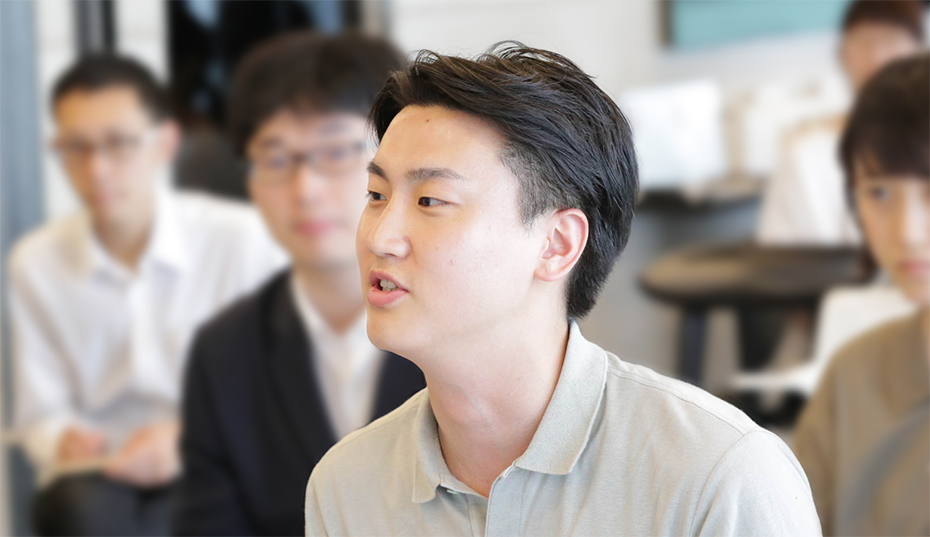
(question)
In Kyoto, what is important to balance the needs of foreign visitors and the conflicting needs of local residents, and ensure that both parties coexist? (Horiguchi, NTT Urban Development Design Management Office)
Campbell
One is to secure space for long-time residents. We must prevent a phenomenon like Venice, where new industries and redevelopment drive out local residents and destroy the town's culture. Kyoto has many universities, and we need to ensure that students can stay and work in the area after graduation, and that people who will learn and carry on the culture remain. The biggest fear is a decline in population. I think it is very important to strengthen the foundations that allow people to continue living there, on a different level to tourism.
Takemura
First of all, it's important to take a long-term view. People can stay for a few days, a few weeks, or even a few years, and the needs they will have after a longer stay will be different. I think the most important thing is to ensure long-term involvement, rather than just thinking about responding to short-term needs and providing services. Kyoto, after all, is a place that has been fertilizing inbound tourism seeds (*4) for over a thousand years. I myself still go to Kyoto with the intention of being an inbound tourist (laughs).
(※4) Seeds...Originally meaning "seeds," but here it refers to the overseas technologies and cultures that can serve as the catalyst for developing Japan's unique historical culture, as well as the power of the places where these can come together.
(※4) Seeds...Originally meaning "seeds," but here it refers to the overseas technologies and cultures that can serve as the catalyst for developing Japan's unique historical culture, as well as the power of the places where these can come together.
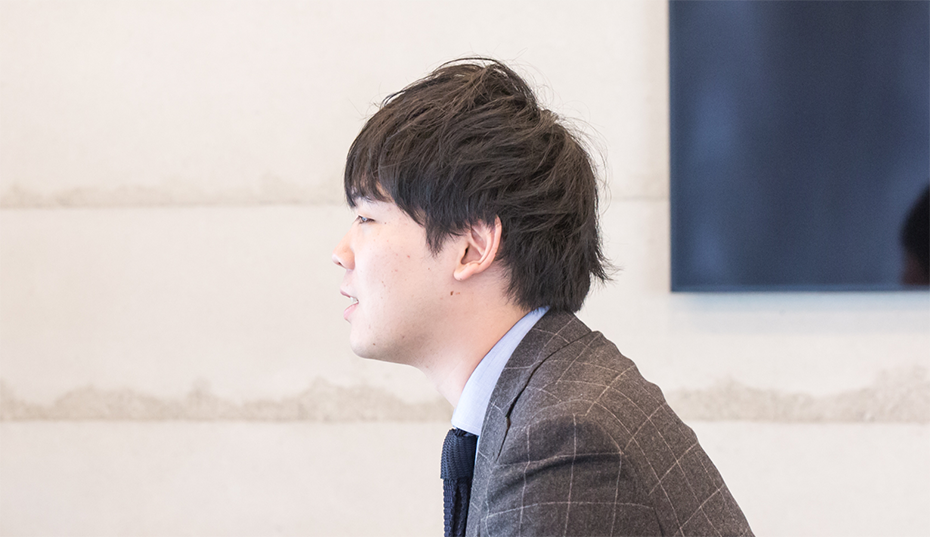
(question)
I think the role of a developer can be rephrased as the job of creating something new, but what should we keep in mind when balancing what should be inherited and what should be newly created? (Yoshikawa, NTT Urban Development Design Management Office)
Campbell
For example, Nishijin-ori is famous, so let's use the image of textiles. It's common to use historical events of a place as a symbol, but in Paris, for example, a closed railway station was purchased, 2,000 computers were installed, and the space was made available for free. The interaction between the space and the local people isn't directly linked to business, but a new culture can be created from scratch depending on what the programmers who gather there create and how they interact with the community. Rather than being fixated on the town's image, shouldn't we be bold and propose new ways of utilizing the space?
Another thing is creating mechanisms that allow tourists to interact with the local community. Even if tourists are only staying for a few hours, I think it's important to have interactive mechanisms that allow them to leave some kind of "souvenir" for the local community by participating in activities, such as places or events where they can share experiences.
Takemura
New development is not a bad thing; in fact, I believe it's essential. Just like the idea of "tokowaka" (everlasting youth) that keeps Ise Shrine a place that is always "old and new," to truly inherit tradition and preserve the memory of a place in a positive way, an operating system that allows people to creatively engage with it is necessary. This requires deep knowledge and deep involvement. Then, as a developer, we need to incubate (support and nurture) the creative activities of outsiders and visitors who have deeply absorbed tradition, allowing them to create something new. To do this, we need to continually dig deeper into the potential value of the land and deepen our respect for it. I think the most important thing is for people who share that respect to form a team and continue the project over the long term.
──Thank you very much for today.
──Thank you very much for today.
- CREDIT
- - Organized by: NTT Urban Development Co., Ltd. Design Management Office
- - Planning and direction: Takram
- - Talk host: Kotaro Watanabe (Takram), Keita Fukasawa (freelance editor)
- - Compiled by: Keita Fukasawa (freelance editor)
- CREDIT
- - Organized by: NTT Urban Development Co., Ltd. Design Management Office
- - Planning and direction: Takram
- - Talk host: Kotaro Watanabe (Takram), Keita Fukasawa (freelance editor)
- - Compiled by: Keita Fukasawa (freelance editor)
RELATED PROJECTS

Shin Puh Kan Redevelopment Plan
(Scheduled to open in 2019 / Design: NTT FACILITIES Inc. + Kengo Kuma and Associates)
Completed in 1926 as the Kyoto Central Telephone Exchange in Karasuma Oike, Kyoto, the building has been popularly known as Shin Puh Kan commercial facility since 2001. In 2019, the building will be reborn as a new hotel and commercial complex.
We will create a unique charm by utilizing this historic building, which is designated and registered as a cultural property by Kyoto City, and will connect the city's culture that has continued to be nurtured here to the future.
Shin Puh Kan Redevelopment Plan
(Scheduled to open in 2019 / Design: NTT FACILITIES Inc. + Kengo Kuma and Associates)
Completed in 1926 as the Kyoto Central Telephone Exchange in Karasuma Oike, Kyoto, the building has been popularly known as Shin Puh Kan commercial facility since 2001. In 2019, the building will be reborn as a new hotel and commercial complex.
We will create a unique charm by utilizing this historic building, which is designated and registered as a cultural property by Kyoto City, and will connect the city's culture that has continued to be nurtured here to the future.